LinkedIn
  Instagram
  Facebook
  Youtube
Apr 2018
|Published By Becky Lowry





In our previous post about imagery in the past called, Best Practices for Blog Imagery, we learned about successfully using imagery to convey a message in your blogs and where to find such photos. Now we’ll quickly go over the basics behind licensed stock photos that are categorized as either commercial or editorial use only.
Understanding the difference between the two when you come across these terms can protect you from misusing licences and respect the art being published and shared by photographers. Images labeled as “editorial use only” have more specific rules and regulations associated with using them.
Images can be used for promotional and advertising purposes and generally have less restrictions. This means that these images will be involved in a profit potentially being made by the user. These photos will have model releases and are typically staged, meaning the model in the photo has given consent and signed an agreement.
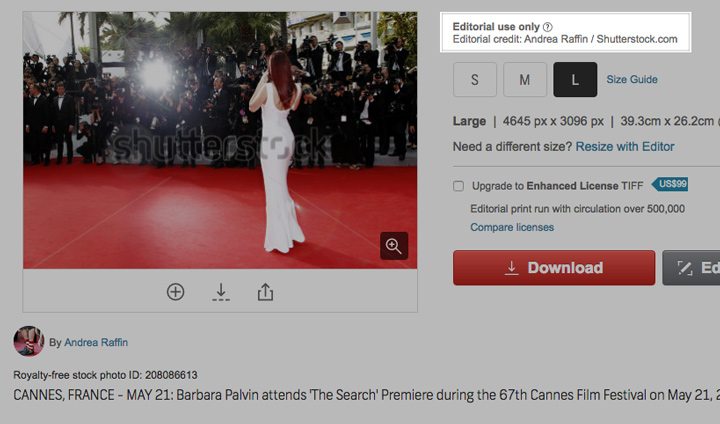
Images marked as editorial use only involve documentation of a newsworthy story or event, and can be used for education. An editorial image is limited to non-commercial uses meaning they cannot be used to advertise or promote a product or service. They can contain logos, business names and recognizable people without model releases.
Excessive creative edits or filters are strictly prohibited. This will protect the authenticity and credibility behind what is being photographed. Slight changes such as lighting adjustments are permitted.
This includes using the correct keywords that reference what is being presented in the photo. Have a proper editorial caption including location, date, and a factual description of the event, preferably in this format: CITY, COUNTRY – DATE: Description of scene.
The integrity behind these photos is important; they must be accurately described with direct references to subjects and places in the photo rather than vague captions.


So the next time you’re choosing photos for a campaign or post, consider your usage rights and keep in mind the difference between commercial and editorial uses.